When an Honour Becomes a Warning
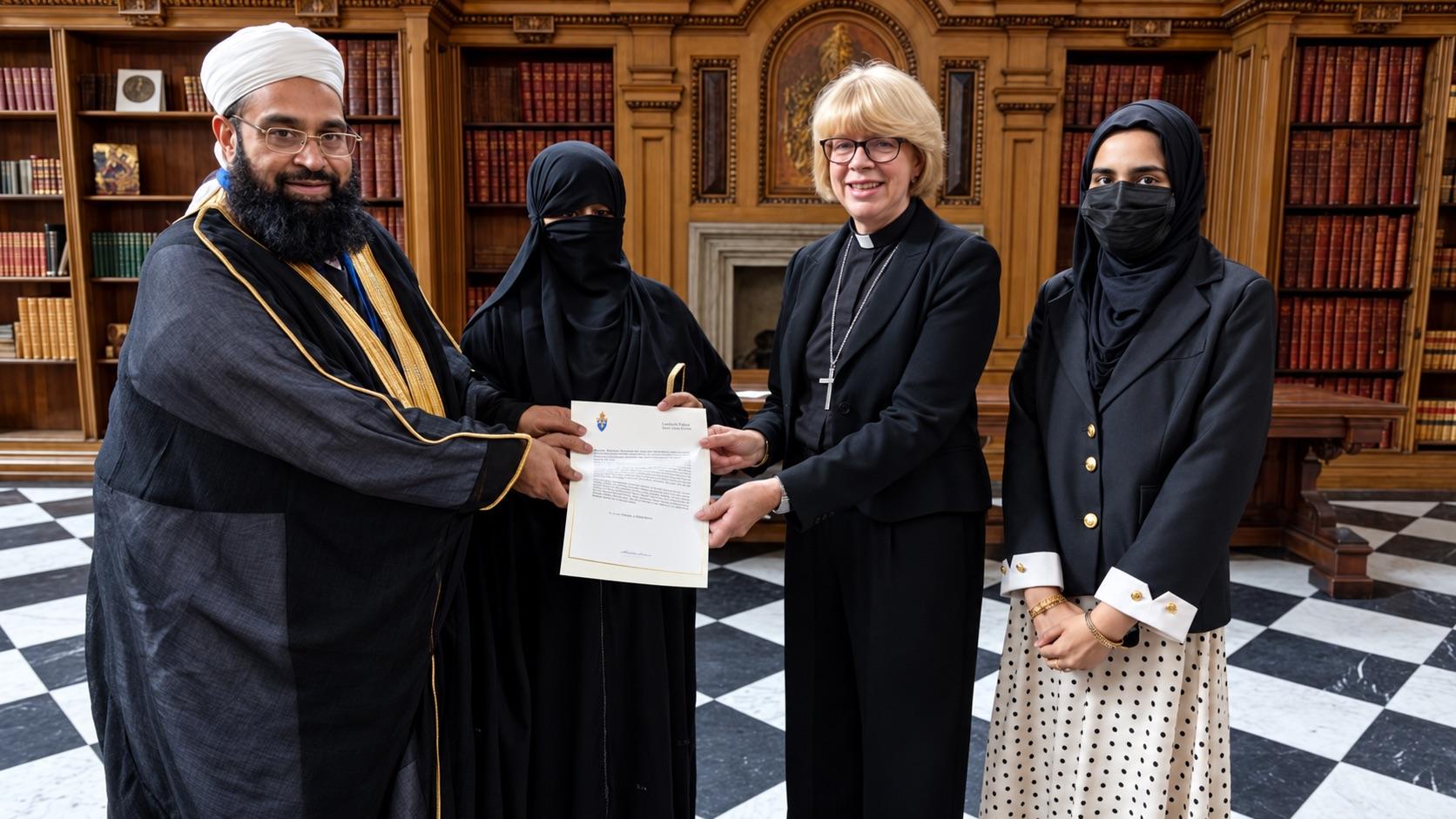
The recent report of the Archbishop of Canterbury’s withdrawal of an interfaith award from Hafiz Muhammad Tahir Mehmood Ashrafi is more than an institutional reversal.
Here, we see a warning that good intentions cannot replace judgement. The award recognised his contribution to reconciliation and support for religious minorities in Pakistan. However, it later came to light that earlier comments concerning Osama bin Laden were unacceptable, as they supported his actions.
Lambeth Palace responded: “Previous comments made by Imam Ashrafi have come to light.” The award was withdrawn.
Ashrafi maintains that his words were taken out of context and did not amount to an endorsement of bin Laden. That explanation deserves to be heard fairly. Yet organisations must investigate thoroughly before granting honours, especially when the award concerns peace, reconciliation and interfaith relations. The fact that it was presented on the twenty-fifth anniversary of the 9/11 attacks made scrutiny more important.
Scripture says, “A good name is rather to be chosen than great riches” (Proverbs 22:1, KJV). A good name is built through integrity, discernment and consistency. It also places responsibility upon those who confer honour. Recognition is never merely ceremonial; it communicates what an institution values and whom it considers worthy of public validation.
The Church must pursue reconciliation, but reconciliation must never breach moral boundaries. Interfaith dialogue requires justice, truth and forgiveness and a common desire to see greater unity, but not at the expense of examining allegations in context or condemning people through selective reporting.
The church understands that leaders must test the evidence, consult widely and consider those impacted by the decisions made.
Wisdom in the decisions we make must be grounded in due diligence; however, when mistakes occur, we must address them with honesty and transparency and make space for grace to be experienced through repentance.
Christian leadership must hold truth and peace together, because peace without truth is fragile, and truth without grace can become cruel. And without both, it is all futile.