The broken-hearted
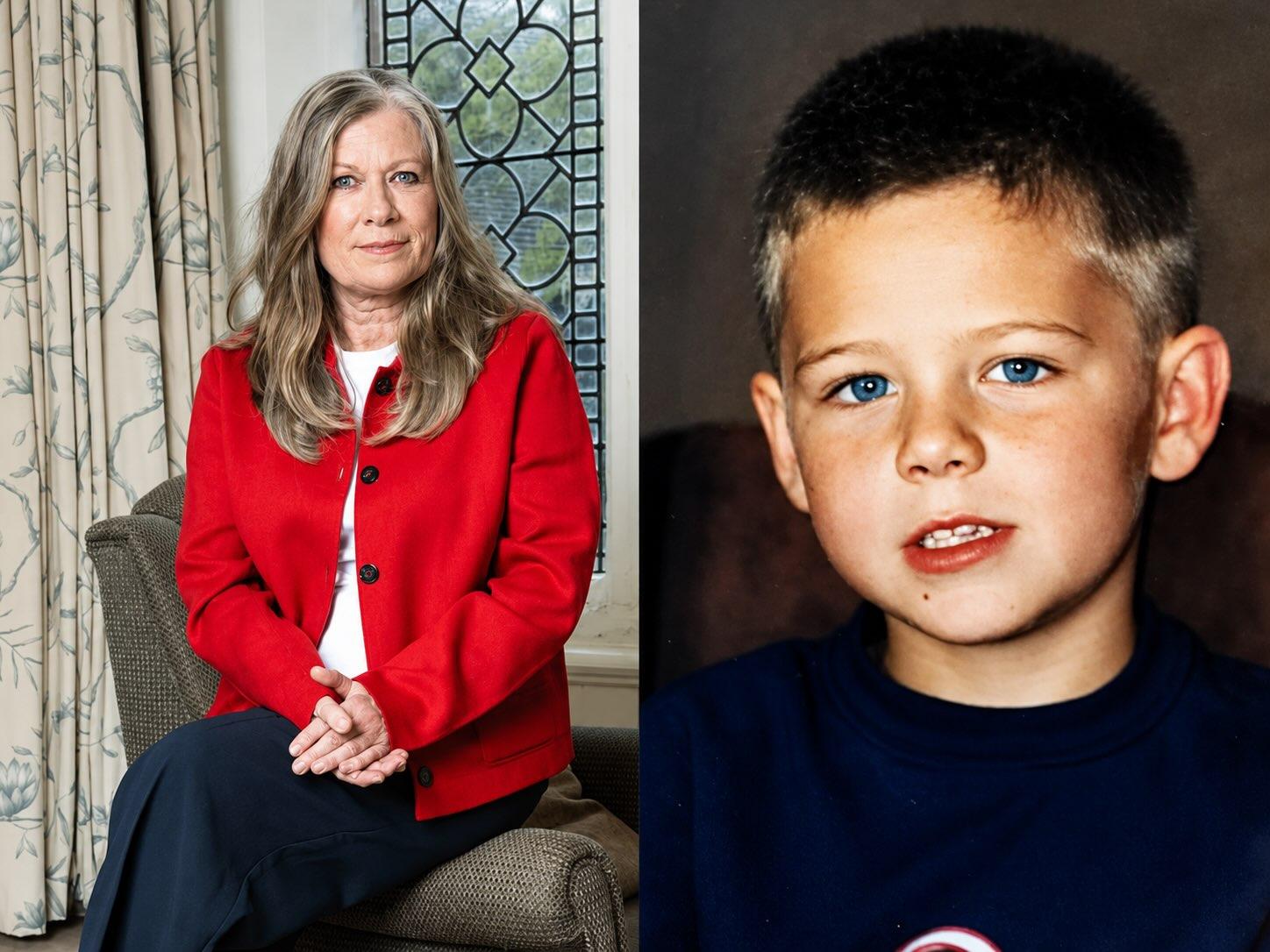
It was reported that on Friday, 24th April 2026, Wendy Duffy passed away at a Swiss assisted-dying clinic. This has brought the UK’s unresolved position on assisted suicide into sharp focus. This occurred in the same week that attempts to reform domestic law once again failed. The case illuminates a clear tension between legal principle and the lived reality of those who, for whatever reason, choose to end their lives through the assistance of a third party.
Under the Suicide Act 1961, assisting suicide remains a criminal offence in the United Kingdom, carrying significant penalties. This reflects a long-standing policy stance aimed at protecting life and preventing coercion or abuse. Such has been the impact that a song about assisted dying became a hit in 1977 in the UK by the Racing Cars, written by songwriter Gareth Mortimer, called ‘They Shoot Horses, Don’t They?’
Despite these efforts, the law allows individuals to travel abroad to jurisdictions where assisted dying is permitted. In Switzerland, organisations such as Pegasos operate within a legal framework that allows assisted suicide, provided there is no selfish motive, and the individual demonstrates mental capacity.
Duffy’s case is particularly controversial because she was not physically ill. Her suffering was rooted in prolonged grief following the death of her only son. Despite undergoing therapy and psychiatric assessment, she ultimately chose to end her life through a legal process abroad. Her situation was very sad, especially when she saw it as her only escape.
Nonetheless, God speaks through His word in Psalms 34:18: “The Lord is close to the broken-hearted and saves those who are crushed in spirit.” Dame Cicely Saunders, a British nurse and founder of the modern hospice movement, wrote, “You matter because you are you, and you matter to the last moment of your life.” Still, the clinic maintains that she acted voluntarily and with full capacity. Such claims rely on pro-end-of-life internal assessments that lack the UK ideals or oversight.
This issue raises fundamental questions. Should mental suffering alone qualify for assisted dying, particularly in cases of deep emotional trauma? Equally, is it acceptable for the UK to prohibit assisted dying domestically while consenting access for those who wish to travel instead?
This is a matter of great concern that needs continual prayer and divine direction.