Prayer for Israel and the Challenge of Systemic Racism
Israel, a mere 22,145 km² square kilometres (slightly bigger than Wales) with a population of just 10 Million people, is a place of much contention.
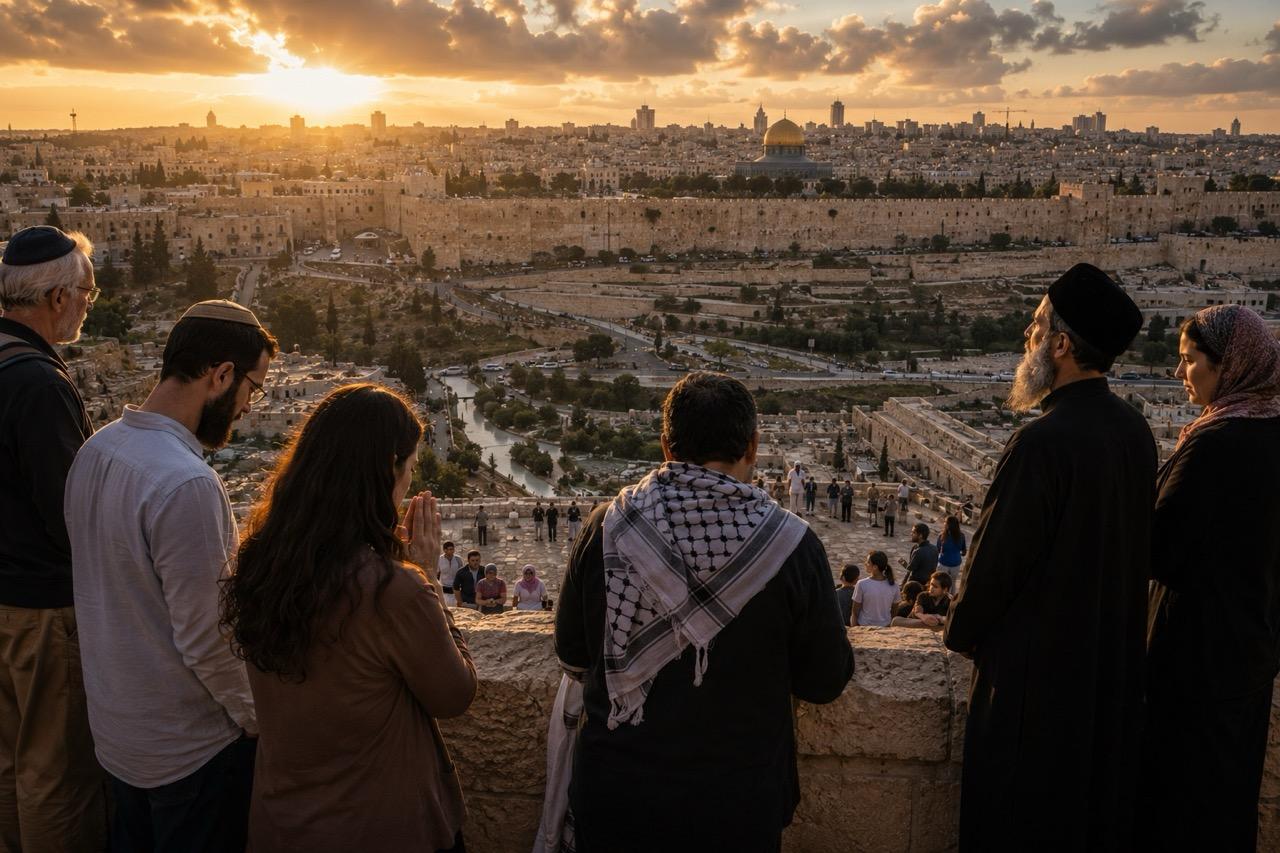
Israel is located in the Middle East, on the eastern coast of the Mediterranean Sea. Yet its land is often the blight of wars and rumours of war on a daily basis. The challenge of the land expands beyond its shore and reaches to the very shores of the UK.
The call for prayer for Israel is rooted in biblical texts often where we find scriptures calling for peace, protection, restoration and salvation. Psalm 122 calls believers to pray for the peace of Jerusalem; Isaiah 62 presents intercession as watchful, persistent and public.
“I have set watchmen on your walls, O Jerusalem;
they shall never hold their peace day nor night.
You who make mention of the LORD, do not keep silent, and give Him no rest till He establishes
and till He makes Jerusalem a praise in the earth.”
Isaiah 62:6–7
Additionally, Romans 10 reminds Christians that prayer must include a longing for salvation. These prayers are part of God’s wider call for justice.
Systemic racism is not merely personal prejudice. It is the way laws, institutions, habits, histories, and social structures can repeatedly disadvantage particular racial or ethnic groups. What is concerning is that it has managed to appear within the fringes of the church with people who practice this level of racism under the guise of Christianity.
A Christian response must therefore go deeper than sentiment. If we pray for peace but ignore the systems that deny people dignity, housing, safety, opportunity or fair treatment, our prayer becomes incomplete.
The Bible does not allow us to spiritualise peace while neglecting justice.
John Stuart Mill wrote that, “Bad men need nothing more to compass their ends, than that good men should look on and do nothing.”
To pray for Israel, therefore, should also lead believers to pray against antisemitism, racism, ethnic hatred and every ideology that dehumanises people made in the image of God. It should also make Christians attentive to Palestinians, migrants, Black communities and all peoples who experience oppression through structures of power.
Biblical intercession is not passive. The watchmen in Isaiah are alert. They refuse silence. In the same way, Christians must pray and act: challenge racist speech, examine biased systems, defend the vulnerable, and seek truth rather than propaganda. Peace is not simply the absence of war; it is the presence of justice, security, and human flourishing.
A faithful prayer for Israel, then, is not a prayer against others. It is a prayer that God’s justice, mercy and salvation would be revealed to all nations, and that every system built on hatred, racial superiority or exclusion would be exposed and transformed.