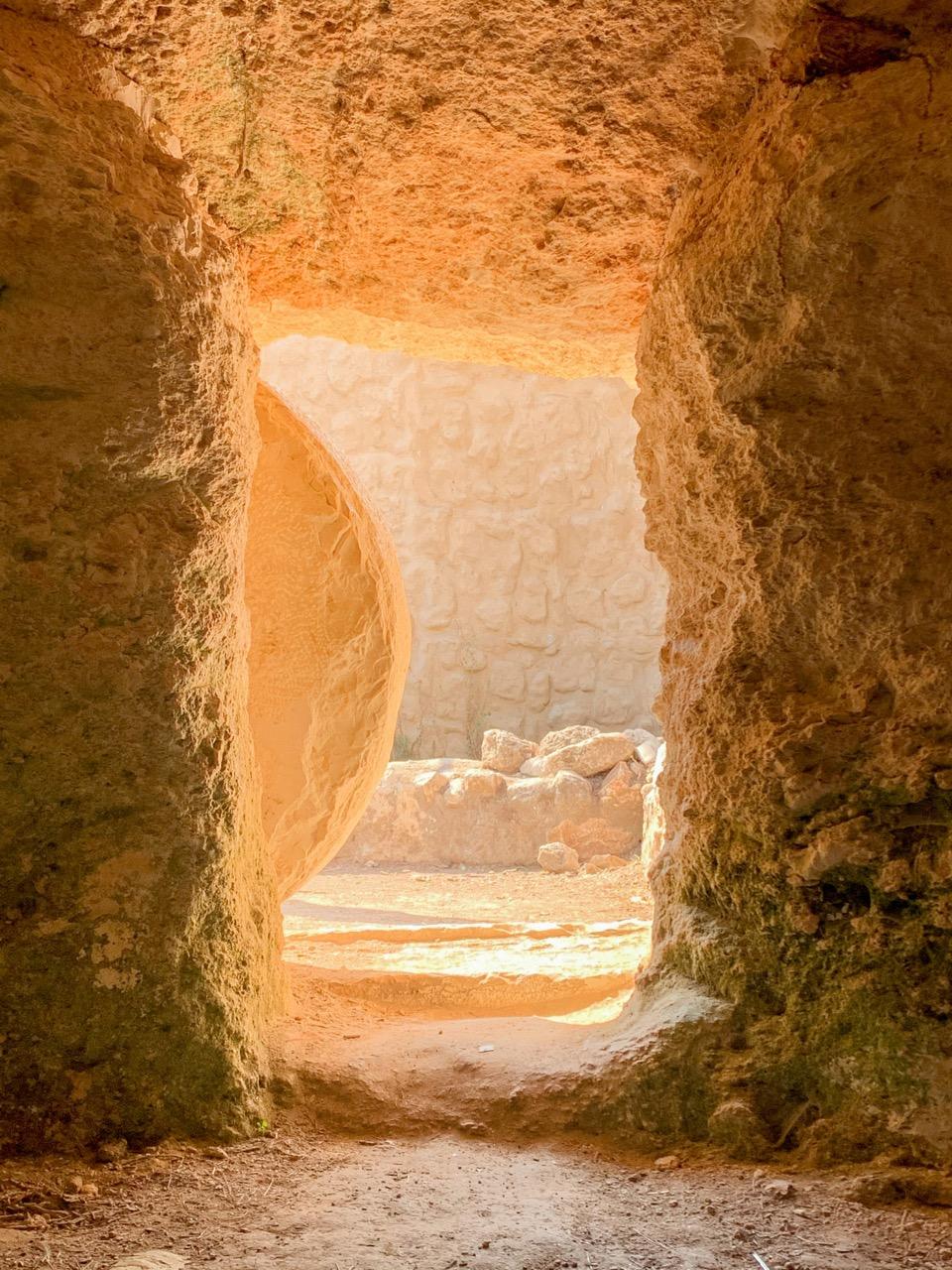
He is Risen Indeed
The disciples have returned to their homes and jobs. It is the worst Passover of their lives. Jesus, whom they believed in, loved and trusted, has died. Not just died, but died a death of shame on the cross. It was public, brutal, devastating and, beyond everything else, heartbreaking. There had been betrayal, denial and abandonment. At His greatest moment of need, only one disciple stood by him at the cross, John, alongside a group of women.
The news would have spread across a heavily populated Jerusalem during Passover. Many had travelled from across the region. Some had hoped to hear Him speak, to meet Him, to witness the works they had heard so much about. Others came carrying sickness, hoping for healing. Now, He was gone. Dead. With the Sabbath now passed, it was the first day of the week. Then came the rumour: Jesus is alive. Impossible, surely. Grief can deceive. Perhaps the women were overwhelmed. Yet the reports did not stop. The tomb was empty. Others had seen Him.
Scripture records: “Why do you seek the living among the dead? He is not here, but has risen” (Luke 24:5–6). This was not a private vision or a passing illusion. It was a witnessed reality. The same disciples who fled in fear would soon stand publicly, proclaiming what they had seen, even at the cost of their lives.
As N. T. Wright argues, “The early Christians did not invent the empty tomb and the meetings or sightings of the risen Jesus. Nobody was expecting this kind of thing.” This was not wishful thinking. It disrupted their expectations and redefined their understanding of death, hope and God’s power.
The resurrection is not merely a comforting idea; it is a decisive event. It transforms despair into purpose, fear into boldness, and death into life. The cross was not the end. It was the doorway.
Christ is risen; He is risen indeed. Hallelujah.