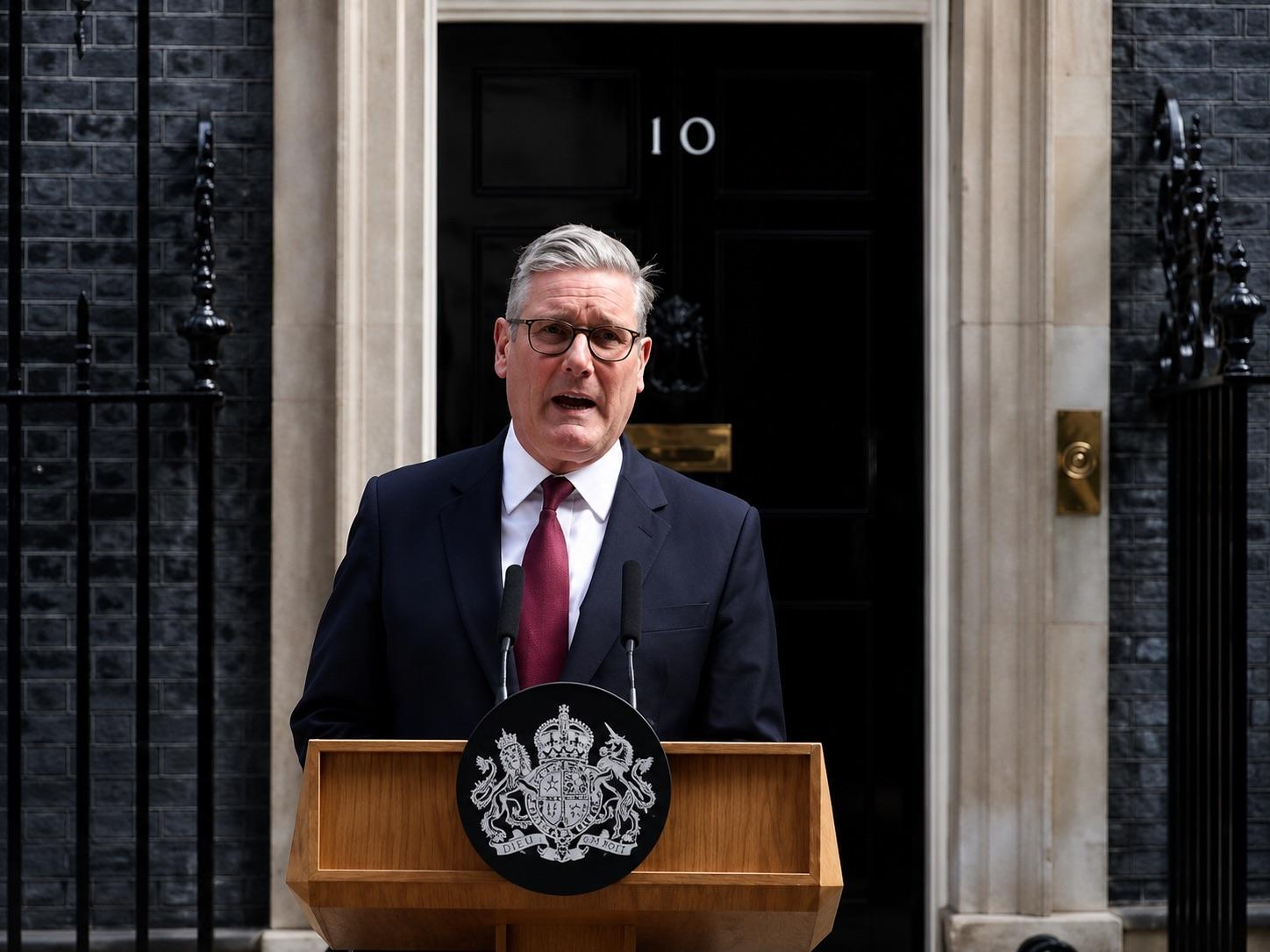
Britain Faces Another Change in Leadership
This week marked another significant turning point in British politics as Sir Keir Starmer resigned as Leader of the Labour Party and Prime Minister. His departure paves the way for Andy Burnham, who is widely expected to become the country’s next Prime Minister following the Labour leadership transition.
If confirmed, Britain will have had seven Prime Ministers in just ten years, averaging approximately 17 months in office. Such rapid turnover raises important questions about political stability, long-term policy planning and public confidence in those elected to lead the nation. While changes in leadership are part of any healthy democracy, frequent transitions can make it more difficult to deliver sustained reform and provide the consistency that businesses, communities and families often seek.
Leadership is about far more than occupying high office. It requires vision, integrity, resilience and a willingness to serve others, particularly during challenging times.
As the nation enters another period of political change, many will hope that the next Prime Minister can unite the country, rebuild trust and provide clear direction for the future. If that Prime Minister is Andy Burnham, many on lookers see him as a more difficult challenge to the Conservative Party who engages the use of social media more than Sir Starmer.
The Bible reminds us that true leadership begins with humility and service rather than power. Proverbs 29:2 declares: “When the righteous thrive, the people rejoice; when the wicked rule, the people groan.” This verse reminds both leaders and citizens that the character of those in authority has a profound impact on the wellbeing of a nation.
Leadership expert John C. Maxwell famously said, “A leader is one who knows the way, goes the way, and shows the way.”